Why Putin’s China Visit Reveals Unease Behind Their U.S. Opposition
Putin’s trip to China signals growing anti-U.S. alignment but also highlights underlying tensions. What this means for global politics and U.S.-China relations matters now.
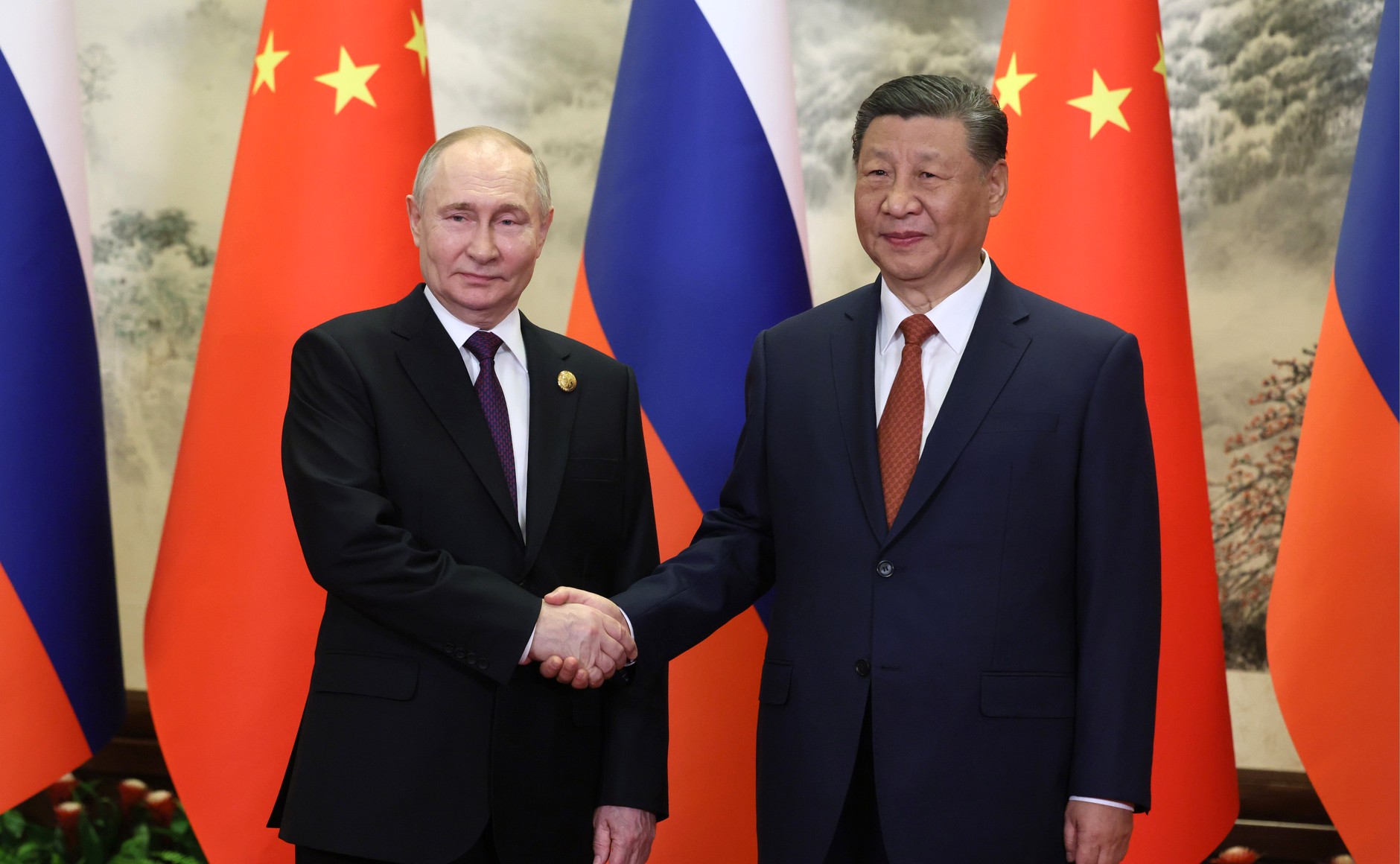
The quick version
Russian President Vladimir Putin visited Beijing to meet with Chinese President Xi Jinping just days after former U.S. President Donald Trump’s visit to China. The two leaders are expected to discuss deepening cooperation amid rising geopolitical tensions with the United States. While publicly presenting a united front opposing U.S. influence, the relationship between Russia and China remains complicated by distrust and competing interests.
What happened
Putin’s visit comes at a time of heightened scrutiny from Washington directed at both Moscow and Beijing. Key issues include the ongoing war in Ukraine, global energy markets, and trade disputes. The Kremlin and Beijing seek to strengthen what many describe as an informal strategic partnership designed to counterbalance U.S. and Western power. Although this meeting aims to consolidate their cooperation, reports from analysts and diplomats suggest that the talks were marked by careful diplomacy rather than a full-throated alliance. Both leaders are aware of the risks in appearing overly dependent on one another amid a history of rivalry and differing global ambitions.
Why it matters
This meeting affects global power dynamics significantly. A closer Russia-China alignment could complicate American efforts to manage conflicts such as the Ukraine war and undermine U.S. influence in key regions. Beijing and Moscow coordinating policies on energy exports, military strategy, or international diplomacy might escalate tensions with the West. For instance, any perceived support from China for Russia in Ukraine or increased military collaboration could trigger elevated sanctions or security responses, impacting global markets and stability. Understanding this evolving relationship is crucial for policymakers and analysts to anticipate shifts in international security and economic landscapes.
The bigger picture
Although Putin and Xi share a common interest in challenging U.S. dominance globally, their partnership remains cautious. Deep-rooted issues such as past border disputes, economic competition, and divergent political priorities create underlying frictions. China’s cautious approach reflects its preference to avoid full entanglement in Russia’s conflicts while maximizing strategic benefits. Russia, on the other hand, sees China as essential for economic support, especially given Western sanctions. The current meeting symbolizes an attempt to balance cooperation with wariness, suggesting that their alliance is pragmatic, limited, and possibly temporary rather than fully consolidated. This dynamic could influence how global alliances and rivalries evolve in the coming years.
What to watch next
Attention now turns to the outcomes of the summit. Observers will scrutinize any joint statements, new economic deals, or military cooperation announcements for signs of escalation in their partnership. Increased coordination in international forums or mutual support on contentious issues like Taiwan or sanctions would indicate a deepening alliance. Responses from Washington and its allies will also be critical—any U.S. moves to counter Russia and China’s cooperation may affect Moscow and Beijing’s future strategy. Diplomats, analysts, and global markets will closely monitor developments to assess the balance of power and possible ripple effects on international relations.
Source note
This explainer is based on coverage by The Washington Post and related news sources, including BBC, The Economist, NBC News, and KOMO, as aggregated via Google News (here).
Google News - World
Read the source report