Why Drone Strikes Near UAE Nuclear Plant Heighten Gulf Security Concerns
Drones launched at the UAE’s Barakah nuclear plant reportedly originated from Iraq, raising new alarms over regional security and nuclear safety.
The quick version
Drone attacks targeting the United Arab Emirates' Barakah nuclear power plant have intensified concerns about the safety of critical infrastructure and regional security in the Gulf. The UAE government stated that the drones originated from Iraqi territory, a development that signals an escalation in the complex geopolitical tensions affecting the region.
What happened
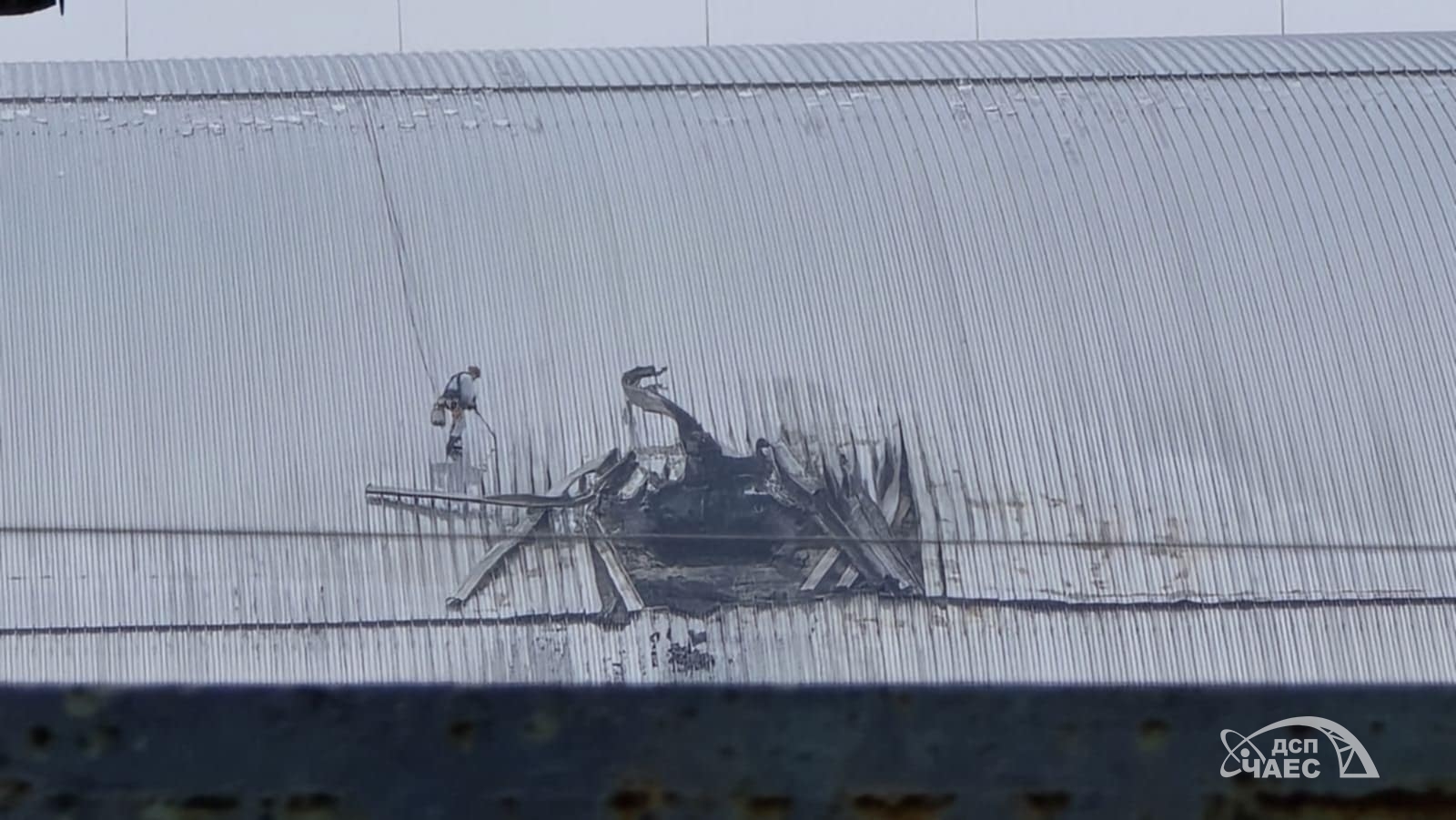
On a recent occasion, a series of unmanned aerial vehicle (UAV) strikes were detected in proximity to the Barakah nuclear power plant, the first incident of its kind targeting an Arab nuclear facility. According to official UAE statements, the drones involved in the attacks were launched from locations within Iraqi airspace. Despite the seriousness of the strike, the plant sustained no damage, and no casualties have been reported. No group has publicly claimed responsibility for orchestrating the drone attack.
This incident occurs amid heightened tensions between the United States and Iran, with both sides indicating potential readiness to resume conflict. The use of drones in this manner points to the evolving challenges in controlling non-state actors and preventing cross-border aggression in the volatile Gulf region.
Why it matters
The Barakah nuclear power plant is the UAE’s sole nuclear facility and serves as a critical element of its energy infrastructure. Any attack posing a risk to the plant carries profound implications for environmental safety, public health, and regional stability. Nuclear facilities have an inherent vulnerability; even minor damage could result in severe consequences due to the sensitive nature of their operations and materials handled.
The fact that drones were launched from Iraqi airspace broadens the geographic scope of regional hostilities, underscoring Iraq’s potential role as a launchpad for attacks against Gulf states. This raises urgent questions about Iraq’s sovereignty and the effectiveness of security protocols within its borders. It also signals an escalation that may complicate international efforts aimed at maintaining peace and security in the Gulf.
The bigger picture
The Gulf region remains a geopolitical flashpoint, characterized by a complex web of rivalries and alliances. Iran’s position and influence in the area, often opposing Gulf Arab states and U.S. interests, have contributed to ongoing friction. The Barakah plant’s proximity to zones of tension highlights how vulnerable civilian infrastructure is to becoming collateral or intentional targets in broader conflicts.
This attack could be interpreted as a strategic signal directed at the UAE and its allies, testing their readiness and resolve. It brings to light the growing role of drones in modern asymmetric warfare, where non-state groups or state proxies can strike critical infrastructure remotely, complicating traditional defense and deterrence models.
Furthermore, the incident highlights the challenge of drone regulation and interdiction in a region where airspace control is contested and porous. As such, it points to the need for enhanced regional cooperation and possibly new frameworks to monitor and control drone activities.
What to watch next
Attention now turns to the responses from involved parties. Iraq, whose territory was allegedly used for the drone launches, faces pressure to tighten its airspace security and counter any militias or groups operating within its borders that threaten regional stability.
The UAE and other Gulf states may reassess their defense and surveillance systems surrounding critical infrastructure, particularly nuclear sites, increasing investments and international partnerships aimed at deterrence.
The United States, a key security partner in the Gulf, will likely closely monitor developments and could push for diplomatic or security initiatives to prevent further escalation.
Given the fragile state of US-Iran relations and ongoing proxy dynamics in the region, further drone strikes or similar attacks could escalate tensions, potentially triggering broader confrontations or encouraging renewed diplomatic engagement to avoid conflict.
Source note
Source: Google News - World. Original article: "The UAE says drones that targeted its Barakah nuclear power plant came from Iraqi territory - AP News" at here
Google News - World
Read the source report